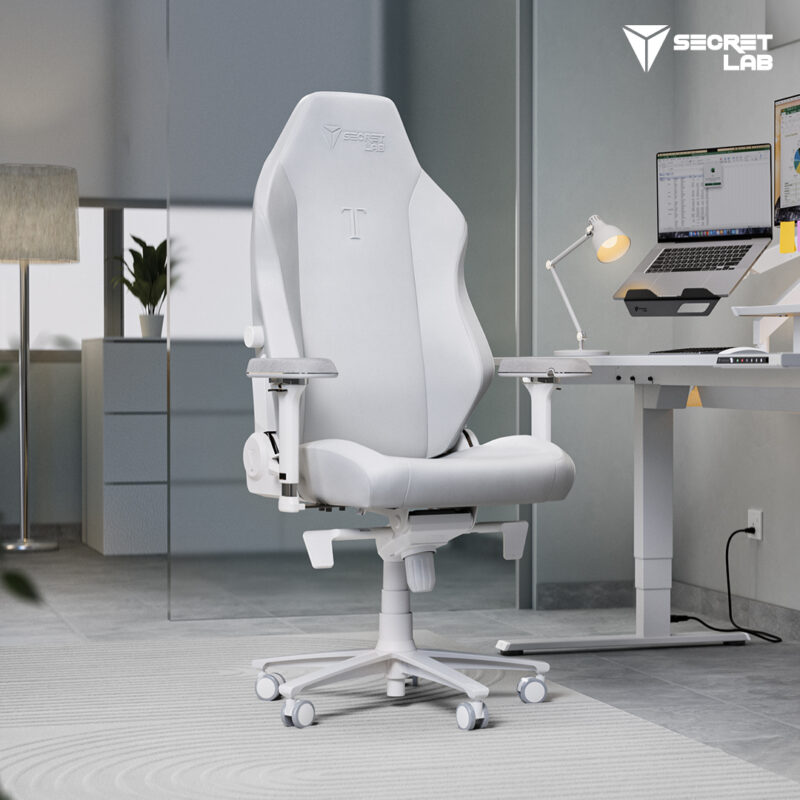
A gaming chair is the piece of gear you spend the most cumulative hours in — more than your PC, more than your monitor. Yet it's usually the last purchase people think about, or the one picked on looks alone from a thumbnail. We spent three months rotating through the market's three most-searched picks in real daily-use conditions: the Secretlab Titan Evo, the DXRacer, and the Razer Enki. Here's what actually separates them once the marketing renders are out of the picture.
What sets these three chairs apart
On a spec sheet, all three look nearly identical: reclining backrest, 4D armrests, adjustable lumbar support, PU leather or fabric shell options. In practice, the real gap shows up in three places the spec sheet never captures — foam density and how it compresses over months, lateral bolster firmness when you lean into a chair during a raid boss fight, and mechanism durability once the recline and tilt-lock hinges have logged a few hundred hours.
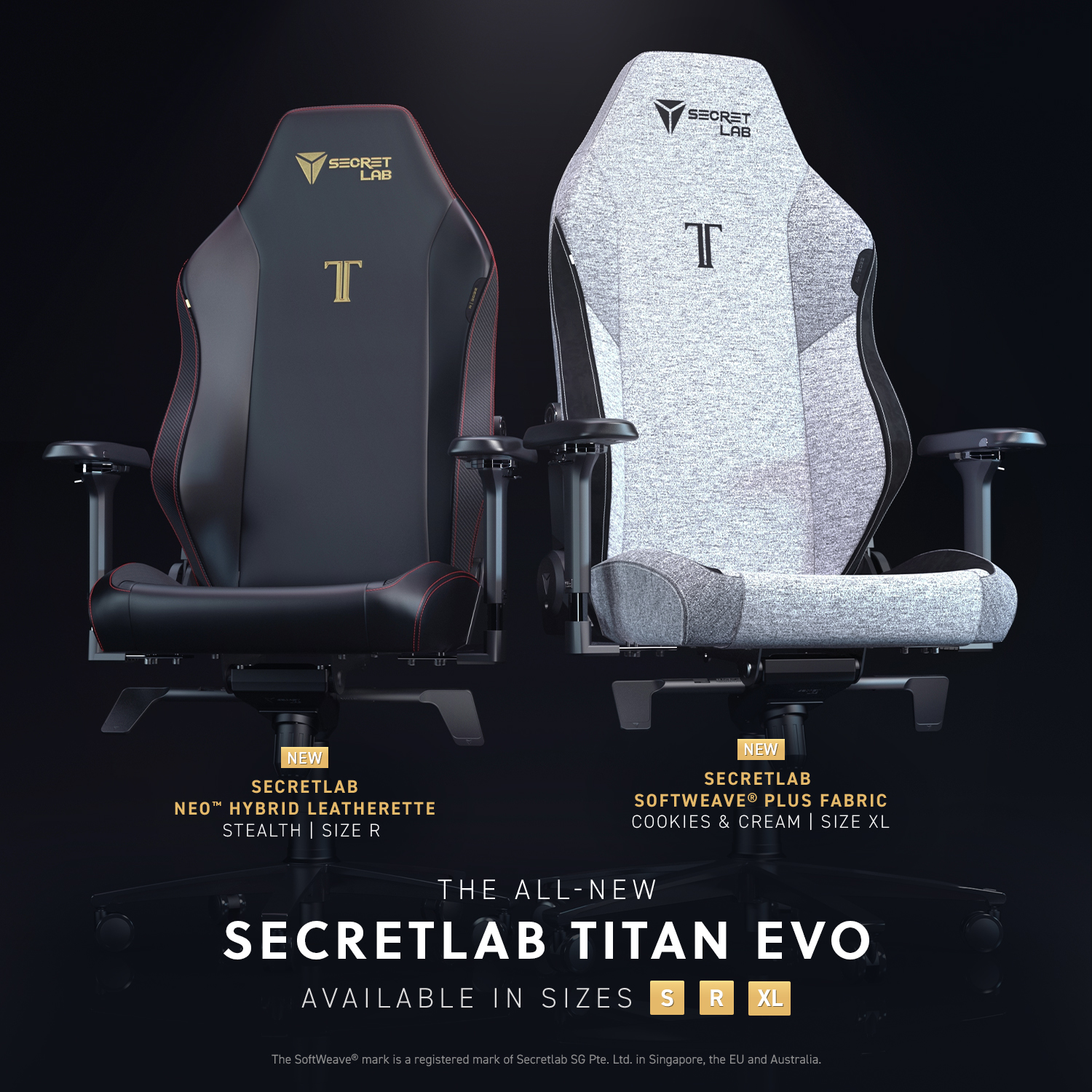
- Secretlab Titan Evo — built-in, depth-adjustable lumbar support (no removable cushion), cold-cure foam that holds its shape noticeably longer than the other two.
- DXRacer — racing-seat DNA, aggressive side bolsters, a removable lumbar pillow that needs repositioning every few weeks to stay effective.
- Razer Enki — the widest seat pan of the three, a fixed "built-in lumbar arch" that's comfortable out of the box but less adjustable for smaller or larger frames.
None of these are bad chairs. They're just built for different bodies and different budgets, and that's the part most spec-sheet comparisons skip entirely.
Comfort and back support: the real deciding factor
This is the category that should outweigh everything else, including color and brand logo. The Secretlab Titan Evo wins here thanks to its integrated, depth-adjustable lumbar support — you dial in exactly how much curve sits against your lower back, and it doesn't migrate or flatten the way a strapped-on pillow does. Over a full workday plus an evening session, that precision is the difference between standing up fine and standing up stiff.
The Razer Enki takes a different approach: a wider seat that's genuinely comfortable for long sessions and welcoming to bigger frames, but the fixed lumbar arch is less forgiving if your torso doesn't match its curve. It's excellent out of the box, mediocre if it doesn't fit you.
The DXRacer remains a solid, race-bucket-style seat — firm bolsters keep you locked in during intense sessions — but its lumbar pillow takes real adjustment time, and we found ourselves repositioning it more than we'd like on back-to-back long sessions.
Key takeaway: for four-hour-plus sessions, prioritize adjustable lumbar support over design or brand recognition. It's what actually prevents the lower-back ache that shows up around hour three.
Build quality and adjustability
Beyond the backrest, small details separate these chairs after months of use, not weeks:
- Armrests: all three offer 4D adjustment (height, width, depth, angle), but the Titan Evo's mechanism feels the most solid under repeated repositioning — less wobble after 90 days.
- Recline and tilt-lock: the DXRacer's recline mechanism is the stiffest of the three, which some testers liked for stability and others found harder to lock at odd angles.
- Materials: the Razer Enki's fabric (EPU) option breathes noticeably better in warm rooms than the PU leather on the DXRacer, worth factoring in if your setup lacks AC.
- Weight capacity: DXRacer and Razer Enki both rate around 300 lb; the Titan Evo's magnetic head pillow and NanoGen fabric options scale better for taller frames (up to 6'8" on the XL size).
Price and value: our verdict
The DXRacer remains the strongest entry-level option, typically landing under $400 and delivering real racing-chair comfort without asking you to compromise on build quality. It's the pick if your budget is the primary constraint and you're not clocking marathon sessions daily.
The Razer Enki sits in the mid-range, usually $400–$550, and offers the best comfort-to-price balance of the three for players who want a noticeably better sit than entry-level without jumping to premium pricing.
The Secretlab Titan Evo, at $500–$650 depending on fabric and edition, only really pays off if you're logging six-plus hours of daily use — work-from-home plus gaming, streaming, or competitive grinding. For occasional evening sessions, the comfort gap over the Enki or DXRacer doesn't justify the extra spend.
Our recommendation by use case
- Under $400, casual to moderate use: DXRacer. Best bang for buck, especially if you like the racing-seat aesthetic.
- Mid-range, 3–5 hours/day: Razer Enki. Wide, breathable, comfortable without premium pricing.
- 6+ hours/day, work + gaming: Secretlab Titan Evo. The adjustable lumbar support pays for itself in avoided back pain over a year of daily use.
A gaming chair is a multi-year purchase you'll sit in more than any other piece of furniture in your setup. Buy for the hours you'll actually put in, not the render on the product page — and when in doubt, prioritize adjustable lumbar support above every other spec.